Hey there! I’m a supplier of industrial woven bags, and today I wanna talk about something super important: the air permeability of these bags. Industrial Woven Bags
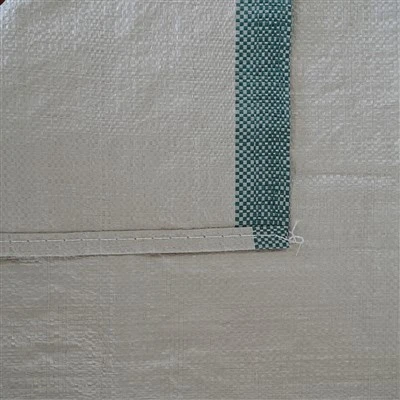
First off, let’s quickly go over what industrial woven bags are. They’re those tough, durable bags you often see in industries like agriculture, construction, and chemicals. Made from woven materials, usually polypropylene, they’re designed to carry all sorts of stuff, from grains and fertilizers to sand and cement.
Now, onto air permeability. In simple terms, air permeability is all about how easily air can pass through the industrial woven bag. It’s a big deal and can really affect what the bag is used for and how well it works.
You might be wondering, why does air permeability matter? Well, it depends on what you’re packing in the bag. Take agricultural products, for example. Grains, seeds, and nuts need to "breathe." If they’re stored in a bag with low air permeability, moisture can build up inside. That can lead to mold and mildew, ruining the entire batch. With a bag that has good air permeability, air can flow in and out, keeping the products dry and fresh for longer.
In the chemical industry, air permeability also plays a crucial role. Some chemicals need to be kept at a specific humidity level. The right air – permeable bag can help maintain that environment, preventing any unwanted chemical reactions due to excessive moisture.
How is the air permeability of industrial woven bags measured? One common method is the air permeability tester. This machine measures the amount of air that passes through a given area of the bag material in a certain amount of time, usually in cubic feet per minute or liters per square meter per second. The test results give us a number that tells us just how permeable the material is. A higher number means better air permeability.
Now, how can we control the air permeability of these bags? Well, it all starts with the materials and the weaving process.
The type of polypropylene used makes a difference. Different grades of polypropylene have different densities and pore structures, which directly affect air permeability. For example, a lower – density polypropylene might allow more air to pass through compared to a high – density one.
The weaving pattern is also key. A loose weave will generally have better air permeability than a tight one. There are many weaving patterns to choose from, like the plain weave, twill weave, and basket weave. Each pattern has a distinct look and air – passing ability. Plain weave is very common, but it usually has less air permeability compared to a looser basket weave.
We can also adjust the air permeability by adding special coatings or treatments to the bag. Sometimes, a thin layer of coating can reduce air permeability if we’re trying to store something that needs to be isolated from the air. On the other hand, treatments that create tiny holes in the material can increase air permeability.
As a supplier of industrial woven bags, I understand that different customers have different needs. Some might need a bag with high air permeability for their breathable products, while others might want a bag that seals air out. That’s why we offer a wide range of options.
We can customize the bags based on the air permeability requirements. If you’re dealing with products that really need good ventilation, we can use a lighter – weight polypropylene and a looser weave. For those products that need to be protected from air and moisture, we can use a denser material and maybe add a moisture – resistant coating.
We’ve worked with many customers in various industries. For instance, we had a client in the food industry who was packaging coffee beans. Coffee beans are sensitive to moisture and need to stay fresh. We provided them with a woven bag that had just the right level of air permeability. The bag allowed just enough air to circulate to prevent mold but not so much that the coffee beans would dry out too quickly. The result? Happy customers and well – preserved coffee beans.
Another client was in the construction industry, using our bags to store cement. Cement doesn’t need to breathe like agricultural products, but it does need to be protected from moisture in the air. We used a tightly woven, low – permeability bag with an inner liner to keep the cement dry and in good condition until it was ready to be used.
So, if you’re in the market for industrial woven bags, don’t overlook the importance of air permeability. It can make a huge difference in the quality and shelf – life of your products. Whether you’re shipping, storing, or transporting something, the right bag with the right air permeability is crucial.

If you want to discuss your specific needs, or if you have any questions about the air permeability of our industrial woven bags, feel free to reach out. We’re happy to help you find the perfect solution for your business.
PP Woven Bag References:
- Handbook of Woven Textile Fabrics
- Industrial Packaging Materials: Properties and Applications
- Textile Testing and Quality Control Manual
Jining Shunxing Plastics Co., Ltd.
Jining Shunxing Plastics Co., Ltd. is one of the most professional industrial woven bags manufacturers and suppliers in China, featured by quality products and low price. Welcome to buy discount industrial woven bags in stock here and get pricelist from our factory. We also accept customized orders.
Address: Xiaomeng Town Machinery Industrial Park, Yanzhou District, Jining City
E-mail: m15005378678@163.com
WebSite: https://www.sxwovenbag.com/
