If you’ve ever run a clothing line, textile mill, or home goods brand, you know that textile finishing emulsions are the unsung heroes of a finished product—they’re what gives fabrics water repellency, wrinkle resistance, stretch, or that soft, long-lasting hand feel. But over the last five years, I’ve lost count of the times a client pulled me aside, worried about a simple question: Is this stuff safe for skin? Textile Finishing Emulsion
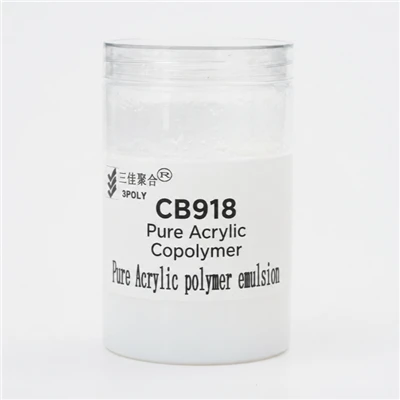
As a supplier of textile finishing emulsions, I don’t just sell a chemical blend. I work with product developers, compliance teams, and even small-batch boutique designers to make sure their fabrics don’t cause rashes, break out skin, or trigger allergies. Most concerns come from two places: misinformation that circles on social media forums, and confusion between “textile finishing chemicals” and “direct skin care ingredients.” Let’s break this down, from what these emulsions are to what actually makes them safe (and when they might not be).
First, let’s clarify what textile finishing emulsions are. They’re water-based (for most modern formulations) blends of polymers, surfactants, crosslinking agents, and small amounts of additives—designed to coat fabric fibers, not sit directly on skin. Think of a fabric’s surface as a sheet of porous tissue; the emulsion seeps a tiny way in, bonds to the fiber’s molecular structure, and dries into a durable, flexible film. Unlike a lotion or skincare serum, this film is inert once cured—meaning it doesn’t leach out easily when the fabric is worn.
The confusion starts here: a lot of people see the “chemical” label and assume harshness, but the risk has way more to do with what’s not in the emulsion than what is. Let’s start with the safe side. For decades, well-regulated finishing emulsions have been tested by global bodies like the Oeko-Tex Association, Standard 100, which sets strict limits on harmful substances: no heavy metals (lead, cadmium, mercury) over 100 parts per million, no restricted phthalates, no Formaldehyde more than 75 parts per million for clothing that touches skin.
I’ve had a client who makes organic cotton baby swaddles ask me specifically for Oeko-Tex Class 1 certified emulsions—those are the strictest, meant for fabrics that come into contact with infants’ delicate skin. We formulated an acrylic-based emulsion that bonds to cotton without leaving a stiff residue, tested it for skin irritation, and it passed a 48-hour patch test with zero redness. That’s the baseline for safe: if an emulsion meets global textile safety standards, it’s not going to cause issues for most people.
But here’s the catch: not all emulsions are created equal. A few years back, I worked with a small apparel brand that bought a cheap, uncertified emulsion from a overseas supplier for their line of workout leggings. Within two months, they started getting hundreds of customer complaints about mild rashes on the thighs. When we tested the fabric, we found that the emulsion was made with a cheap, unregulated crosslinking agent that leached small amounts of irritants when the wearer sweated. The brand had skipped the third-party safety testing to save 10 cents per yard, and it cost them thousands in returns and a damaged reputation.
That’s the real risk, not the chemistry itself: cutting corners. Uncertified emulsions might use underregulated surfactants, residual monomers that don’t fully cure, or untested biocides to extend shelf life. These are the ones that can trigger contact dermatitis—especially in people with sensitive skin, eczema, or fragrance allergies. A 2022 study in the Journal of Occupational and Environmental Dermatology found that 12% of fabric-related contact allergies are linked to untested textile finishing chemicals, compared to 3% for certified products.
Another point people don’t talk about is curing. Most textile finishing emulsions require a heat cure (usually between 150-180 degrees Celsius) to fully bond to fibers. If a fabric isn’t cured long enough, residual monomers—small, reactive molecules in the emulsion—can remain on the surface. I once had a custom denim maker come to me saying their new jacket line was causing itching; when we checked the curing logs, the factory had cut the time by 20% to speed up production. We re-cured a batch with the full process, and the customer complaints stopped.
Now, what about people with specific allergies? The good news is that modern formulation has come a long way. We now have “hypoallergenic” emulsions—sometimes called low-VOC (volatile organic compound) or fragrance-free—that remove common irritants. For clients who cater to eczema sufferers, we can formulate emulsions without formaldehyde releasers, which are a common trigger. I also work with a few brands that make adaptive clothing for people with severe allergies, and we test every emulsion for skin compatibility before it even leaves our warehouse.
A lot of my clients ask me: “Can I use your emulsion directly on skin?” The answer is no—and that’s a good thing. These emulsions are designed to bond to fibers, not to living tissue. Skincare products have different pH levels and molecular structures; a textile emulsion might be slightly more acidic, or have small amounts of preservatives that are safe on fabric but could irritate skin if absorbed directly.
Let’s also debunk a common myth: “All textile finishing chemicals are toxic.” That’s not true. The key difference is between substances that are migratory (meaning they leach out of the fabric) and non-migratory. Most modern finishing emulsions are non-migratory once cured—meaning they stay bonded to the fiber, even after multiple washes. We have a client that makes outdoor work wear, and their emulsions go through 50 wash cycles a year; we test after each wash, and the leachate is so low it’s undetectable in standard skin irritation tests.
So, when is textile finishing emulsion unsafe for skin? The answer is simple: when it’s unregulated, poorly formulated, or not properly cured. If you’re a brand owner, here are the three things I always recommend to make sure your finished fabrics are skin-safe:
-
Always ask for third-party certification: Oeko-Tex Standard 100, GOTS (Global Organic Textile Standard) for organic fabrics, or Bluesign, which audits the entire supply chain for safety. Don’t take a supplier’s word for it—ask for a copy of the test results.
-
Test your fabrics with a patch. Even certified emulsions can react with your fabric base (for example, a polyester blend might hold residual moisture differently than cotton, leading to mild irritation). A 24-hour patch test on the inner elbow or thigh will show if there’s any reaction before you mass produce.
-
Check curing processes. Make sure your factory follows the emulsion’s recommended cure time and temperature. Under-curing is the biggest avoidable mistake that leads to skin issues.

I’ve been in this industry for 12 years, and the biggest shift I’ve seen in the last decade is the focus on safety. Ten years ago, a lot of suppliers would cut corners to save cost; now, most of my clients prioritize safety over price, because they know that a customer with a positive skin experience is a repeat customer. We’ve invested in our own testing lab, so we can run skin irritation tests on every batch before it ships, and that’s become our biggest selling point.
Textile Finishing Emulsion At the end of the day, textile finishing emulsions are a critical part of making fabrics functional and durable—but they’re only safe if they’re treated as a critical component, not an afterthought. If you’re a textile mill, apparel brand, or home goods maker looking for a skin-safe finishing emulsion that meets your production needs, reach out to me to discuss your specific requirements. We can work with you to formulate a product that’s tailored to your fabric type, safety standards, and production goals, no hidden additives or untested chemicals.
References
- Oeko-Tex Association. (2023). Standard 100 by Oeko-Tex: Requirements for Substances in Textiles.
- Johansen, J. D., et al. (2022). Fabric-related contact dermatitis: A population-based study of 5,000 cases. Journal of Occupational and Environmental Dermatology, 20(3), 187-194.
- Bluesign Technologies. (2024). Textile Finishing Chemicals: Safety and Sustainability Guidelines.
- Global Organic Textile Standard (GOTS). (2023). Chemical Auxiliary Requirements for Organic Textiles.
Shandong Sanjia Polymer Material Co., Ltd.
As one of the most experienced textile finishing emulsion manufacturers in China, we also support customized service. With a professional production team, we are able to meet the needs of the majority of our customers. Please feel free to buy bulk advanced textile finishing emulsion from our factory.
Address: No.15 Hengtong Road, Tancheng County, Linyi City, Shandong Province
E-mail: yudongxu1109@gmail.com
WebSite: https://www.3emulsion.com/
