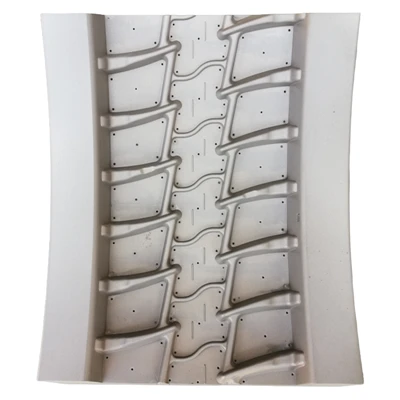
Yo, what’s up! I’m a supplier of Special Structure Molds, and I’ve been dealing with these bad boys for years. One of the most common headaches we face in this field is corrosion. It can mess up the quality of the molds, reduce their lifespan, and cost businesses a fortune. Today, I wanna share some tips on how to improve the corrosion resistance of Special Structure Molds based on my real – world experiences. Special Structure Mold
1. Choosing the Right Materials
Alright, let’s start at the very beginning – materials. Picking the right material for your Special Structure Mold is crucial. You don’t wanna cut corners here. High – quality stainless steels are a go – to for many reasons. Stainless steel contains chromium, which forms a passive oxide layer on the surface. This layer acts as a shield, preventing oxygen and moisture from reaching the metal beneath and causing corrosion.
For example, 316 stainless steel is super popular. It has molybdenum in it, which gives it even better resistance to pitting corrosion, especially in environments where there are chlorides around. If you’re making molds for food processing, 316 is a great choice because it’s also hygienic and easy to clean.
But it’s not just about stainless steel. There are also other alloy steels that can be used. For instance, some alloy steels with nickel and copper added can enhance corrosion resistance. You gotta work with your material supplier to figure out which one suits your specific mold requirements. It might cost a bit more upfront, but trust me, it’ll save you a ton in the long run.
2. Surface Treatment
Once you’ve got the right material, the next step is surface treatment. This is like giving your mold an extra layer of protection. One of the most common surface treatments is electroplating. You can plate your mold with materials like chromium or nickel.
Chromium plating is awesome because it creates a hard, smooth, and corrosion – resistant surface. It not only protects the mold from corrosion but also makes it easier to release the molded parts. Nickel plating, on the other hand, can improve the mold’s wear resistance along with corrosion resistance. It forms a dense layer that acts as a barrier against corrosive agents.
Another cool surface treatment is nitriding. In nitriding, nitrogen is introduced into the surface of the mold. This creates a hard nitride layer that has excellent corrosion and wear resistance. It’s a bit more expensive and time – consuming than electroplating, but the results are worth it, especially for molds that are used in harsh environments.
3. Proper Design and Manufacturing
The design and manufacturing process of your Special Structure Mold also play a huge role in its corrosion resistance. When designing the mold, you need to avoid sharp corners and crevices. Sharp corners can cause stress concentrations, which can make the mold more prone to corrosion. Instead, use rounded edges.
During the manufacturing process, make sure the surface finish is smooth. Rough surfaces can trap moisture and debris, which can lead to corrosion. You should also pay attention to the welding quality if your mold is made up of multiple parts. Poor welding can create weak spots where corrosion can start.
For example, if you’re making a mold with complex internal channels, you need to ensure that these channels are easy to clean. Otherwise, residues can build up inside the channels, promoting corrosion. You might need to use special manufacturing techniques, like precision machining or 3D printing, to achieve the right design and surface finish.
4. Maintenance and Storage
Okay, you’ve got a great mold with the right materials, surface treatment, and design. But that’s not the end of the story. You need to maintain it properly. Regular cleaning is a must. After each use, clean the mold thoroughly to remove any residues. You can use mild detergents and soft brushes to avoid scratching the surface.
For storage, keep the mold in a dry environment. Humidity is one of the biggest enemies when it comes to corrosion. You can use desiccants in the storage area to absorb moisture. If possible, cover the mold with a protective coating or a plastic sheet to prevent dust and moisture from settling on it.
Also, perform regular inspections. Look for any signs of corrosion, like rust spots or discoloration. If you notice any issues early on, you can take action to prevent them from getting worse. You might need to re – apply surface treatments or make minor repairs.
5. Environmental Control
The environment where the mold is used also matters a lot. If your mold is used in a salty or acidic environment, you need to take extra precautions. For example, if it’s in a marine environment, the salt in the air can be very corrosive. You can use enclosures or ventilation systems to reduce the exposure of the mold to the harsh environment.
If the mold is used in a chemical – processing plant, make sure to control the chemical exposure. You might need to use protective coatings or choose materials that are specifically resistant to the chemicals used in the process.
It’s also important to control the temperature and humidity in the working area. Extreme temperatures and high humidity can speed up the corrosion process. Install air – conditioning and dehumidification systems if necessary.
6. Training and Education
Last but not least, make sure your staff is well – trained. They need to know how to handle the molds properly, from using the right cleaning agents to storing the molds correctly. You can organize training sessions regularly to keep them updated on the latest corrosion – prevention techniques.
A little bit of knowledge can go a long way. If your staff is aware of the importance of corrosion prevention, they’ll be more likely to take the necessary steps to protect the molds.
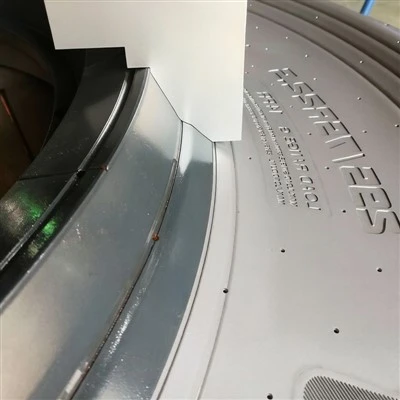
In conclusion, improving the corrosion resistance of Special Structure Molds is a multi – faceted process. It involves choosing the right materials, applying proper surface treatments, designing and manufacturing the mold correctly, maintaining and storing it well, controlling the environment, and training the staff. By following these tips, you can significantly extend the lifespan of your molds and save a lot of money in the long term.
Special Structure Mold If you’re in the market for high – quality Special Structure Molds with excellent corrosion resistance, I’d love to have a chat with you. Whether you’re a small business or a large corporation, I can provide customized solutions to meet your specific needs. Let’s talk about how we can work together to get the best molds for your operations. Reach out, and we can start discussing your project right away.
References
- ASM Handbook, Volume 13B: Corrosion: Materials. ASM International.
- Callister, W. D., & Rethwisch, D. G. (2015). Materials Science and Engineering: An Introduction. Wiley.
- Pierson, H. O. (1992). Handbook of Crystalline Oxide Films. Academic Press.
Anhui Varon Mould Co., Ltd.
We are one of the most professional special structure mold manufacturers and suppliers in China, also support customized service. We warmly welcome you to wholesale premium special structure mold made in China here from our factory. If you have any enquiry about cooperation, please feel free to email us.
Address: Anhui Province, Ningguo City, Economic and Technological Development Zone, Heli Industrial Park, Dongcheng Avenue
E-mail: admin@varonmould.com.cn
WebSite: https://www.wanlongmold.com/
