Transporting a bucket elevator chain safely is of utmost importance in ensuring its integrity and functionality upon arrival at the destination. As a trusted bucket elevator chain supplier, I have witnessed firsthand the challenges and potential risks associated with the transportation process. In this blog post, I will share some valuable insights and practical tips on how to transport a bucket elevator chain safely. Bucket Elevator Chain
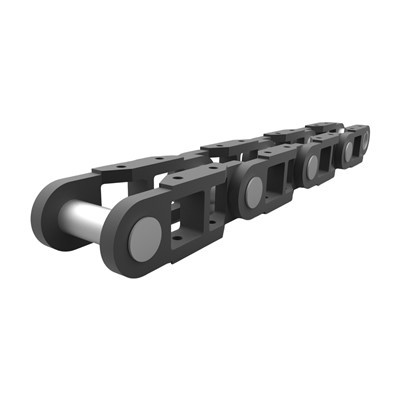
Understanding the Characteristics of Bucket Elevator Chains
Before delving into the transportation methods, it is essential to understand the key characteristics of bucket elevator chains. These chains are typically heavy, bulky, and prone to damage if not handled properly. They are often made of high – strength steel and consist of multiple links, which can be easily entangled during transit. Additionally, the surface of the chain may be coated to prevent corrosion, and any damage to this coating can lead to premature wear and failure.
Pre – transportation Preparation
Inspection
The first step in safe transportation is a thorough inspection of the bucket elevator chain. Check for any signs of damage, such as cracks, worn – out links, or loose connections. Ensure that all the parts of the chain are in good condition and meet the required specifications. Any damaged sections should be repaired or replaced before transportation to avoid further issues.
Cleaning and Lubrication
Clean the chain to remove any dirt, debris, or contaminants that may have accumulated during storage or manufacturing. This not only helps in maintaining the chain’s appearance but also prevents abrasive particles from causing damage during transit. After cleaning, apply a suitable lubricant to the chain. Lubrication reduces friction between the links, protects the chain from corrosion, and makes it easier to handle.
Packaging
Proper packaging is crucial for protecting the bucket elevator chain during transportation. Use high – quality packaging materials such as heavy – duty plastic wraps, wooden crates, or steel pallets. Wrap the chain tightly with plastic to prevent moisture ingress and dust accumulation. If using a wooden crate, make sure it is sturdy enough to withstand the weight of the chain and any external impacts. Secure the chain inside the crate using straps or brackets to prevent it from moving around.
Choosing the Right Transportation Mode
Road Transport
Road transport is a common choice for short – to medium – distance transportation of bucket elevator chains. When using road transport, choose a reliable carrier with a good track record of handling heavy and bulky items. The truck should be equipped with a secure cargo area and proper lifting equipment to load and unload the chain safely. Ensure that the chain is properly secured on the truck bed to prevent it from shifting during transit, which could cause damage to the chain or pose a safety risk on the road.
Rail Transport
For longer distances, rail transport can be a cost – effective and efficient option. Railways are generally more stable than roads, which reduces the risk of vibrations and shocks during transit. However, special care must be taken when loading and unloading the chain from the railcars. Use appropriate lifting devices, such as cranes or forklifts, to ensure a smooth transfer. Also, make sure that the chain is properly secured in the railcar to prevent it from moving due to the movement of the train.
Sea Transport
If the destination is overseas, sea transport may be the only viable option. When shipping a bucket elevator chain by sea, it is essential to choose a reputable shipping line. The chain should be packed in a container to protect it from the harsh marine environment, including saltwater, humidity, and rough weather conditions. Label the container clearly with the details of the chain, such as its type, size, and weight. Also, obtain proper insurance coverage to protect against any potential losses during the sea voyage.
Securing the Chain during Transit
Strapping and Bracing
Regardless of the transportation mode, the bucket elevator chain must be firmly secured to prevent it from moving. Use high – strength straps to tie down the chain to the transport vehicle or container. Place the straps at regular intervals along the length of the chain to ensure even distribution of the load. Bracing can also be used to provide additional support, especially for large or heavy chains.
Cushioning
To absorb shocks and vibrations during transit, use cushioning materials such as foam pads or rubber mats. Place these materials between the chain and the packaging or the transport surface. Cushioning helps to protect the chain from impact damage and reduces the risk of surface scratches.
Handling at the Destination
Unloading
When unloading the bucket elevator chain at the destination, follow proper safety procedures. Use appropriate lifting equipment, such as forklifts or cranes, and ensure that the operators are trained and experienced. Unload the chain slowly and carefully to avoid any sudden movements or impacts that could cause damage.
Inspection upon Arrival
Once the chain is unloaded, conduct another inspection to check for any damage that may have occurred during transit. Look for signs of scratches, dents, or broken links. If any damage is found, document it thoroughly and contact the transportation provider and the insurance company immediately.
Training and Communication
Staff Training
Ensure that all staff involved in the transportation process, including loading, unloading, and handling, are properly trained. Training should cover safety procedures, proper use of equipment, and how to handle the bucket elevator chain to prevent damage.
Communication
Maintain clear communication with the transportation provider throughout the process. Provide them with detailed information about the chain, such as its weight, dimensions, and special handling requirements. This will help them to plan the transportation more effectively and ensure the safety of the chain.
Conclusion
Transporting a bucket elevator chain safely requires careful planning, proper preparation, and strict adherence to safety procedures. By following the tips outlined in this blog post, you can minimize the risk of damage to the chain during transit and ensure that it arrives at the destination in good condition.
Conveyor Chain As a leading bucket elevator chain supplier, we are committed to providing high – quality products and ensuring their safe delivery to our customers. If you are in the market for a reliable bucket elevator chain or need more information on transportation and handling, we invite you to contact us for procurement and further discussions. Our team of experts is ready to assist you with all your needs.
References
- "Handbook of Chain Drives" by the Chain Drive Association.
- "Transportation Safety Guidelines for Heavy – Duty Equipment" published by the National Transportation Safety Board.
- "Best Practices in Packaging and Shipping of Industrial Components" from the Institute of Packaging Professionals.
Zhejiang Hangte Chain Transmission Co., Ltd.
We are one of the most experienced bucket elevator chain manufacturers and suppliers in China since 1999. Please rest assured to buy high quality bucket elevator chain made in China here from our factory. If you have any enquiry about cooperation, please feel free to email us.
Address: No. 195 Qinglin East Street, Qingshan Lake Subdistrict, Lin’an District, Hangzhou City, Zhejiang Province
E-mail: hangtechain@gmail.com
WebSite: https://www.chinahtchain.com/
