In the highly competitive manufacturing industry, reducing machining costs on a vertical machining center is a crucial concern for both manufacturers and suppliers. As a supplier of vertical machining centers, I understand the challenges faced by our customers in achieving cost – efficiency while maintaining high – quality production. In this blog, I will share some practical strategies and insights on how to reduce the machining cost on a vertical machining center. Vertical Machining Center

1. Optimize Tool Selection
One of the most significant factors affecting machining costs is tool selection. Using the right tools can significantly improve machining efficiency and reduce tool wear, ultimately lowering costs.
Choose High – Quality Tools
Investing in high – quality cutting tools may seem more expensive initially, but it can lead to long – term savings. High – quality tools are made from better materials, have more precise geometries, and can withstand higher cutting speeds and feeds. For example, carbide cutting tools are known for their high hardness and wear resistance, which allows for faster machining and longer tool life compared to high – speed steel tools.
Select the Appropriate Tool Geometry
The geometry of the cutting tool, such as the rake angle, clearance angle, and cutting edge radius, has a direct impact on the cutting force, chip formation, and surface finish. By selecting the appropriate tool geometry for the specific machining operation, we can reduce cutting forces, which in turn reduces power consumption and tool wear. For instance, a positive rake angle can reduce cutting forces, but it may also decrease the tool’s strength. Therefore, it is necessary to find the right balance based on the workpiece material and machining requirements.
Implement Tool Management Systems
A well – organized tool management system can help reduce tool costs. This includes tracking tool usage, regrinding tools when necessary, and replacing worn – out tools in a timely manner. By monitoring tool life and usage patterns, we can optimize tool inventory levels, avoid over – purchasing of tools, and ensure that tools are used to their maximum potential.
2. Improve Machining Processes
Optimizing the machining process is another effective way to reduce costs on a vertical machining center.
Optimize Cutting Parameters
Cutting parameters such as cutting speed, feed rate, and depth of cut have a significant impact on machining efficiency and tool life. By carefully selecting the appropriate cutting parameters, we can increase machining productivity while reducing tool wear. For example, increasing the cutting speed can reduce machining time, but it may also increase tool wear. Therefore, it is necessary to find the optimal combination of cutting parameters based on the workpiece material, tool material, and machine capabilities.
Minimize Non – Cutting Time
Non – cutting time, such as tool change time, workpiece loading and unloading time, and machine setup time, can account for a significant portion of the total machining time. By implementing strategies to minimize non – cutting time, we can improve overall machining efficiency. For example, using quick – change toolholders can significantly reduce tool change time. Automatic workpiece loading and unloading systems can also reduce the time spent on manual handling of workpieces.
Adopt High – Speed Machining (HSM) Technology
High – speed machining technology allows for significantly higher cutting speeds and feed rates compared to traditional machining methods. By adopting HSM technology, we can reduce machining time and improve productivity. However, it is important to note that HSM requires a high – performance vertical machining center, as well as appropriate cutting tools and machining strategies.
3. Utilize Workpiece Material Wisely
The choice and utilization of workpiece material can also affect machining costs.
Select the Right Workpiece Material
When selecting the workpiece material, consider factors such as its machinability, cost, and performance requirements. Some materials are more difficult to machine than others, which can result in higher tool wear and longer machining times. For example, stainless steel is more difficult to machine than aluminum due to its high strength and work – hardening characteristics. Therefore, if possible, choose materials that are easier to machine without sacrificing the required performance of the final product.
Minimize Material Waste
Minimizing material waste can significantly reduce costs. This can be achieved through proper nesting of workpieces on the raw material, using advanced cutting techniques to increase material utilization, and recycling scrap materials. For example, in sheet metal machining, optimizing the nesting layout of the parts on the sheet can reduce the amount of leftover material.
4. Regular Maintenance and Inspection
Proper maintenance and inspection of the vertical machining center are essential for reducing costs.
Scheduled Maintenance
Regularly scheduled maintenance can prevent breakdowns and extend the lifespan of the vertical machining center. This includes cleaning, lubricating, and adjusting the machine components, as well as checking for any signs of wear or damage. By performing preventive maintenance, we can avoid costly repairs and downtime.
Tool and Machine Inspection
Regularly inspecting tools and the machining center can help identify potential problems early. For example, inspecting cutting tools for wear and damage can prevent poor surface finish and dimensional inaccuracies in the machined parts. Inspecting the machine’s axes, drives, and spindles can also ensure their proper functioning and accuracy.
5. Training and Skill Development
Well – trained operators are key to reducing machining costs on a vertical machining center.
Operator Training
Providing comprehensive training to operators on the operation, programming, and maintenance of the vertical machining center can improve their skills and knowledge. Trained operators can optimize cutting parameters, troubleshoot problems more effectively, and operate the machine more efficiently, which ultimately leads to cost savings.
Continuous Skill Development
Encouraging operators to participate in continuous skill development programs can keep them updated with the latest machining technologies and techniques. This can enable them to implement more advanced machining strategies and improve overall machining performance.
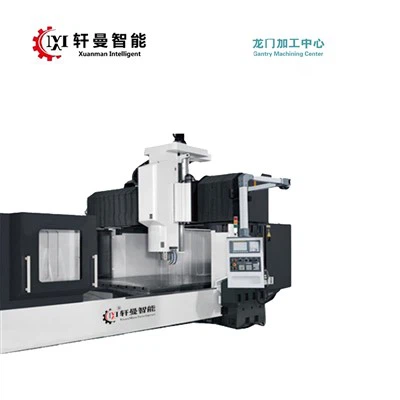
In conclusion, reducing the machining cost on a vertical machining center requires a comprehensive approach that includes optimizing tool selection, improving machining processes, utilizing workpiece material wisely, performing regular maintenance and inspection, and investing in operator training. By implementing these strategies, manufacturers can achieve significant cost savings while maintaining high – quality production.
Slant Bed Lathe As a supplier of vertical machining centers, we are committed to helping our customers reduce their machining costs. Our vertical machining centers are designed with advanced technologies and features to improve efficiency and productivity. If you are interested in learning more about how our vertical machining centers can help you reduce costs, please feel free to contact us for a purchase negotiation. We look forward to working with you to achieve your manufacturing goals.
References
- Boothroyd, G., Dewhurst, P., & Knight, W. (2002). Product Design for Manufacture and Assembly. Marcel Dekker.
- Kalpakjian, S., & Schmid, S. R. (2009). Manufacturing Engineering and Technology. Pearson Prentice Hall.
- Boyes, W. (2011). Manufacturing Processes for Engineering Materials. Wiley.
Jiangsu Xuanman Intelligent Equipment Co., Ltd.
We’re well-known as one of the leading vertical machining center manufacturers in China, featured by quality products and low price. Please rest assured to buy discount vertical machining center made in China here from our factory. We also accept customized orders.
Address: No. 1-1, Weier Road, Jieji Equipment Manufacturing Industrial Park, Sihong County, Suqian City, Jiangsu Province, China
E-mail: jsxmzn@163.com
WebSite: https://www.xm-cnc.com/
