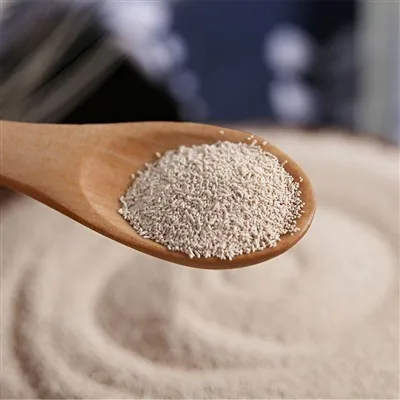
As a supplier of xanthan gum, I often get asked about its safety and whether it has any side effects. Xanthan gum is a widely used food additive and thickening agent, known for its numerous benefits in the food and industrial sectors. In this blog post, I’ll delve into the scientific aspects of xanthan gum and its potential side effects. Xanthan Gum
What is Xanthan Gum?
Xanthan gum is a polysaccharide produced through the fermentation of glucose or sucrose by the bacterium Xanthomonas campestris. It has several unique properties that make it an ideal ingredient in many products. For one, it has excellent thickening, stabilizing, and emulsifying capabilities. This means it can improve the texture, consistency, and shelf – life of food products. It is commonly used in salad dressings, sauces, dairy products, gluten – free baked goods, and many other items. Outside of the food industry, it’s also used in the oil and gas industry for drilling fluids, in cosmetics as a thickener, and in pharmaceuticals.
Scientific View on Safety
The safety of xanthan gum has been extensively studied by various international health and safety organizations. The Joint FAO/WHO Expert Committee on Food Additives (JECFA) has evaluated xanthan gum and established an acceptable daily intake (ADI) of "not specified." This indicates that based on the available research, there is no evidence of harmful effects when xanthan gum is consumed within normal dietary limits.
The U.S. Food and Drug Administration (FDA) has also classified xanthan gum as generally recognized as safe (GRAS). To establish this GRAS status, numerous scientific studies were conducted. These studies investigated various aspects of xanthan gum, including its metabolism, acute and chronic toxicity, and potential allergenicity.
Common Misconceptions and Allergenicity
One of the main concerns people have about xanthan gum is whether it can cause allergic reactions. In general, true allergic reactions to xanthan gum are extremely rare. The fermentation process that produces xanthan gum typically removes most of the potential allergenic components from the original materials. However, in some individuals with sensitive digestive systems, xanthan gum may cause mild gastrointestinal symptoms such as bloating, gas, or diarrhea, especially when consumed in large quantities.
It’s important to note that these symptoms are not strictly allergic reactions. They are more likely due to the fiber – like nature of xanthan gum. Since it is a polysaccharide, it can act as a dietary fiber in the gut. Some people may not be accustomed to high – fiber diets and may experience digestive discomfort when introducing xanthan gum into their eating habits.
Xanthan Gum in Specific Populations
Children
Children can safely consume foods containing xanthan gum. In fact, it is often used in children’s food products, such as baby foods and puddings, to improve texture and stability. There are no specific age – related concerns regarding xanthan gum consumption. However, as with any new food additive, it’s advisable to start with small amounts, especially when introducing it to infants.
Pregnant and Nursing Women
Pregnant and nursing women can also consume xanthan gum without significant concerns. The safety of xanthan gum has been well – established, and there is no evidence to suggest that it poses any risks to the mother or the developing fetus. In terms of breast milk, there is no indication that xanthan gum would transfer in a way that could be harmful to the nursing baby.
People with Specific Health Conditions
For individuals with irritable bowel syndrome (IBS) or other digestive disorders, xanthan gum might need to be consumed with caution. As mentioned earlier, its fiber – like properties can cause digestive upset in some people. It’s recommended that these individuals consult with a healthcare provider before including xanthan gum – containing products in their diet.
Industrial Use and Safety
In the industrial context, the use of xanthan gum also adheres to strict safety standards. In the oil and gas industry, for example, workers are trained on proper handling procedures to ensure their safety. Since xanthan gum is a non – toxic substance, the risk of long – term health effects from occupational exposure is minimal.
However, as with any powder – like substance, inhalation of xanthan gum dust can cause respiratory irritation. Therefore, appropriate safety equipment, such as dust masks, should be worn when handling large quantities of xanthan gum in an industrial setting.
Different Grades and Purity
As a xanthan gum supplier, I offer different grades of xanthan gum to meet the diverse needs of my customers. Food – grade xanthan gum is the most common type used in the food industry. It is produced under strict quality control measures to ensure its safety for human consumption. The manufacturing process adheres to good manufacturing practices (GMP) and is subject to regular inspections by regulatory authorities.
Industrial – grade xanthan gum, on the other hand, is used in applications such as oil drilling and cosmetics. While it is not intended for human consumption, it still meets high – quality standards. The main difference between food – grade and industrial – grade xanthan gum lies in their purity levels and the presence of impurities. Food – grade xanthan gum has lower levels of contaminants and is suitable for contact with food.
How to Use Xanthan Gum Safely
If you are a food manufacturer or a home cook using xanthan gum, it’s important to follow the recommended usage levels. Overusing xanthan gum can lead to an overly thick or gummy texture in food products, as well as potentially increasing the risk of digestive discomfort in consumers.
For home cooks, it’s best to start with small amounts, usually around 1/8 to 1/4 teaspoon per cup of liquid or dry ingredients, depending on the recipe. In the food manufacturing industry, the amount of xanthan gum used is carefully calculated based on the specific product requirements and regulatory guidelines.
Conclusion
In conclusion, xanthan gum is a safe and versatile ingredient that has been used for decades in various industries. While there are some rare cases of mild gastrointestinal discomfort, especially when consumed in large amounts, the overall safety profile of xanthan gum is excellent. It has been approved by major international regulatory agencies, and numerous scientific studies support its use.
As a reliable xanthan gum supplier, I am committed to providing high – quality products that meet the strictest safety and quality standards. Whether you are a food manufacturer looking to improve the texture and stability of your products, or an industrial user in need of a reliable thickening agent, I can offer the right xanthan gum solution for you.
Sodium Benzoate If you are interested in purchasing xanthan gum for your business, I invite you to reach out and engage in a procurement discussion. I would be more than happy to provide you with detailed product information, samples, and competitive pricing. Together, we can find the best xanthan gum solution to meet your specific needs.
References
- Joint FAO/WHO Expert Committee on Food Additives (JECFA). Evaluation of certain food additives and contaminants.
- U.S. Food and Drug Administration (FDA). Regulation of food additives in the United States.
Fudijia (Tianjin) Supply Chain Co., Ltd.
With abundant experience, we re one of the most professional xanthan gum manufacturers and suppliers in China. We warmly welcome you to wholesale bulk high quality xanthan gum made in China here from our factory. For more information, contact us now.
Address: 301-2-1C,Jin Bin Jie Zuo,No.98, Huanghai Road,TEDA, Tianjin, China
E-mail: foodchem@hjlfoods.com
WebSite: https://www.ifoodchem.com/
