Hey there! I’m a supplier of Permanent Magnet DC Motors, and today I wanna chat about how to design a commutation system for these motors. It’s a crucial part of making sure our motors work just right, so let’s dig in! Permanent Magnet DC Moto
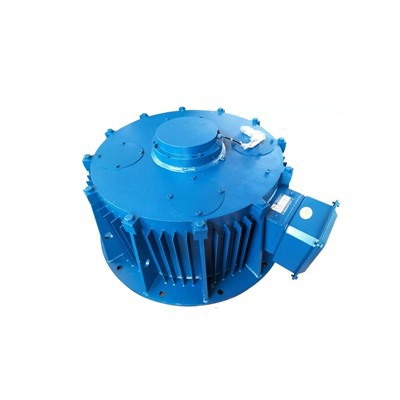
First off, let’s understand what a commutation system is. In a Permanent Magnet DC Motor, the commutation system is responsible for switching the current in the armature coils at the right time. This switching creates a magnetic field that interacts with the permanent magnets in the motor, causing the rotor to spin. Without a proper commutation system, the motor wouldn’t be able to rotate continuously.
There are two main types of commutation systems: mechanical and electronic. Let’s start with mechanical commutation, which is the traditional way of doing things.
Mechanical Commutation
Mechanical commutation uses a commutator and brushes. The commutator is a split ring that’s attached to the motor’s shaft. The brushes are made of a conductive material, like carbon, and they make contact with the commutator. As the rotor spins, the brushes slide over the commutator segments, switching the current in the armature coils.
One of the advantages of mechanical commutation is that it’s relatively simple and inexpensive. It’s been around for a long time, and it’s well-understood. But there are also some drawbacks. For example, the brushes can wear out over time, which means they need to be replaced periodically. And the friction between the brushes and the commutator can cause sparking, which can be a problem in some applications.
When designing a mechanical commutation system, there are a few things to keep in mind. First, you need to choose the right type of brushes. The brushes should have good electrical conductivity and low friction. You also need to make sure the brushes are properly sized and shaped to fit the commutator.
Another important factor is the number of commutator segments. The more segments you have, the smoother the motor will run. But increasing the number of segments also increases the complexity and cost of the motor. So, you need to find a balance between performance and cost.
Electronic Commutation
Now, let’s talk about electronic commutation. This is a more modern approach that uses electronic components, like transistors and sensors, to switch the current in the armature coils. Instead of brushes and a commutator, electronic commutation systems use a controller to determine when to switch the current.
One of the biggest advantages of electronic commutation is that it eliminates the need for brushes. This means there’s no wear and tear, and there’s no sparking. Electronic commutation systems also tend to be more efficient and have better performance than mechanical systems. They can be controlled more precisely, which allows for better speed and torque control.
But electronic commutation systems are also more complex and expensive than mechanical systems. They require more components and a more sophisticated controller. And they need to be designed and programmed carefully to work properly.
When designing an electronic commutation system, you need to start by choosing the right type of controller. There are different types of controllers available, depending on the specific requirements of your motor. Some controllers are designed for simple speed control, while others can provide more advanced features, like torque control and position control.
You also need to choose the right sensors to detect the position of the rotor. There are several types of sensors available, including Hall effect sensors, optical encoders, and resolvers. The choice of sensor depends on the accuracy and cost requirements of your application.
Design Considerations
Whether you’re designing a mechanical or electronic commutation system, there are some general design considerations that apply.
Motor Specifications: First, you need to understand the specifications of your motor. This includes things like the voltage, current, speed, and torque requirements. These specifications will determine the size and type of components you need for your commutation system.
Heat Dissipation: Heat is a major issue in motors, and it can affect the performance and reliability of the commutation system. You need to make sure the components in your commutation system are designed to dissipate heat effectively. This might involve using heat sinks, fans, or other cooling methods.
EMI/EMC: Electromagnetic interference (EMI) and electromagnetic compatibility (EMC) are also important considerations. The commutation process can generate electromagnetic noise, which can interfere with other electronic devices. You need to design your commutation system to minimize EMI and ensure it meets the relevant EMC standards.
Reliability: Finally, you need to design your commutation system to be reliable. This means using high-quality components, testing the system thoroughly, and ensuring it can withstand the operating conditions of your application.
Conclusion
Designing a commutation system for a Permanent Magnet DC Motor is a complex but rewarding process. Whether you choose a mechanical or electronic commutation system, it’s important to understand the principles behind how they work and the design considerations involved.
At our company, we have a lot of experience in designing and manufacturing Permanent Magnet DC Motors with high-quality commutation systems. We can help you choose the right commutation system for your specific application and ensure it meets your requirements.
Brushless Motor If you’re interested in learning more about our Permanent Magnet DC Motors or need help with your commutation system design, don’t hesitate to reach out. We’re here to answer your questions and work with you to find the best solution for your needs.
References
- Krause, P. C., Wasynczuk, O., & Sudhoff, S. D. (2013). Analysis of Electric Machinery and Drive Systems. Wiley.
- Fitzgerald, A. E., Kingsley, C., Jr., & Umans, S. D. (2003). Electric Machinery. McGraw-Hill.
Zibo Auric Mechanical and Electrical Technology Co., Ltd.
As one of the leading permanent magnet dc moto manufacturers and suppliers in China, we warmly welcome you to buy advanced permanent magnet dc moto for sale here from our factory. All customized motors are with high quality and competitive price.
Address: B419, High-tech Entrepreneurship Park, High-tech Zone, Zibo City
E-mail: cui@auricmotor.com
WebSite: https://www.auricmotor.com/
