In the dynamic landscape of 3D printing, the ability to print with transparent materials is a highly sought-after feature. As a supplier of MJP 3D printers, I often encounter this question: Can the MJP 3D Printer print transparent materials? This blog post aims to provide a comprehensive answer, exploring the technical capabilities, material options, and real – world applications related to printing transparent materials using MJP 3D printers. MJP 3D Printer
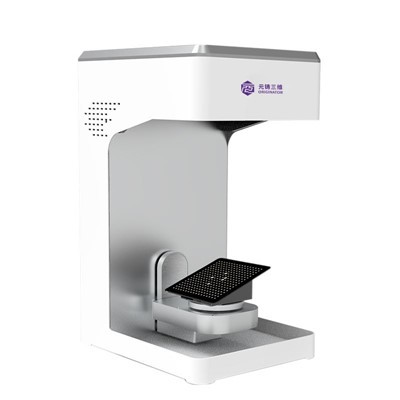
Understanding the MJP 3D Printing Technology
MJP, or Multi – Jet Printing, is an advanced 3D printing technology that offers high – resolution, precise, and detailed prints. It works by jetting droplets of photopolymer resin onto a build platform layer by layer. After each layer is deposited, a UV light cures the resin, solidifying it into the desired shape.
One of the key advantages of MJP technology is its ability to produce smooth surface finishes and intricate details. This makes it suitable for a wide range of applications, from rapid prototyping in the automotive and aerospace industries to creating detailed medical models.
Technical Feasibility of Printing Transparent Materials
The MJP 3D printer is indeed capable of printing transparent materials. The technology’s ability to precisely control the deposition of resin allows for the creation of parts with consistent optical properties. When printing transparent materials, the key lies in the quality of the resin and the printer’s ability to minimize internal defects such as air bubbles or uneven curing.
The MJP printer’s high – resolution jetting system ensures that each layer of resin is evenly distributed and cured. This results in a part with a uniform refractive index, which is essential for achieving transparency. Additionally, the printer’s ability to print thin layers helps to reduce light scattering, further enhancing the transparency of the final product.
Suitable Transparent Materials for MJP 3D Printing
There are several photopolymer resins available that are compatible with MJP 3D printers and offer transparency. These materials have different properties, such as varying degrees of clarity, flexibility, and heat resistance, allowing users to choose the most suitable one for their specific application.
- Clear and Translucent Resins: These are the most common types of transparent materials used in MJP 3D printing. They provide a high level of clarity and can be used to create parts such as lenses, light guides, and display models. Some clear resins also offer good mechanical properties, making them suitable for functional prototypes.
- Medical – Grade Transparent Resins: In the medical field, transparency is often required for creating anatomical models and surgical guides. MJP 3D printers can use medical – grade transparent resins that meet strict biocompatibility standards. These materials are safe for use in contact with the human body and can accurately replicate the appearance and properties of real tissues.
- Engineering – Grade Transparent Resins: For applications that require both transparency and high mechanical performance, engineering – grade transparent resins are available. These materials offer excellent strength, stiffness, and heat resistance, making them suitable for use in automotive and aerospace components.
Applications of Transparent 3D Prints with MJP Technology
The ability to print transparent materials using MJP 3D printers opens up a wide range of applications across various industries.
Product Design and Prototyping
In product design, transparent 3D prints can be used to visualize internal components and test the fit and function of parts. For example, a designer can create a transparent housing for an electronic device to show how the internal circuitry is arranged. This helps in identifying potential design issues early in the development process and can save time and cost.
Medical and Dental Fields
Transparent anatomical models are invaluable tools in medical education and surgical planning. MJP 3D printers can create highly accurate and detailed models of organs, bones, and teeth using transparent resins. Surgeons can use these models to practice complex procedures, visualize the internal structure of the patient’s body, and plan the best approach for surgery. In the dental field, transparent aligners can be 3D printed using MJP technology, providing a more comfortable and aesthetically pleasing alternative to traditional braces.
Lighting and Optics
The lighting and optics industries can benefit greatly from the ability to print transparent parts. MJP 3D printers can create custom – designed lenses, light diffusers, and optical components with high precision. These parts can be used in a variety of lighting fixtures, such as LED lamps and automotive headlights, to improve light distribution and efficiency.
Consumer Goods
In the consumer goods industry, transparent 3D printed parts can add a unique and modern touch to products. For example, transparent phone cases, jewelry, and decorative items can be created using MJP technology. These products not only look stylish but also allow consumers to showcase the internal features of their devices or add a personal touch to their accessories.
Challenges and Considerations
While MJP 3D printers are capable of printing transparent materials, there are some challenges and considerations that users need to be aware of.
- Surface Finish: Achieving a perfect surface finish on transparent parts can be challenging. Even small imperfections on the surface can cause light scattering and reduce the transparency of the part. Post – processing techniques such as polishing and sanding may be required to improve the surface finish.
- Material Cost: Transparent photopolymer resins can be more expensive than other types of 3D printing materials. This can increase the overall cost of production, especially for large – scale projects. However, the high – quality results and the ability to create complex parts may justify the additional cost in many cases.
- Printing Time: Printing transparent parts with high resolution and quality may take longer compared to printing opaque parts. This is because the printer needs to ensure that each layer is evenly cured and that there are no internal defects. Users need to plan their production schedules accordingly.
Tips for Successful Transparent 3D Printing with MJP
To achieve the best results when printing transparent materials with an MJP 3D printer, consider the following tips:
- Choose the Right Resin: Select a resin that is specifically designed for transparency and meets the requirements of your application. Consider factors such as clarity, mechanical properties, and biocompatibility.
- Optimize the Print Settings: Adjust the print settings, such as layer thickness, print speed, and UV exposure time, to ensure that the resin is properly cured and that the part has a uniform structure.
- Post – Processing: After printing, perform post – processing steps such as washing, curing, and polishing to improve the surface finish and transparency of the part.
- Test and Iterate: Before printing a large – scale project, it is advisable to print a small test sample to evaluate the quality of the transparency and make any necessary adjustments to the print settings or resin selection.
Conclusion
In conclusion, the MJP 3D printer is fully capable of printing transparent materials. Its advanced technology, combined with the availability of a variety of transparent photopolymer resins, enables users to create high – quality, detailed, and functional transparent parts for a wide range of applications.
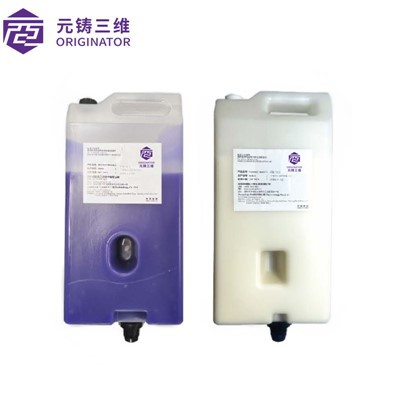
Whether you are a product designer looking to create prototypes, a medical professional in need of anatomical models, or a manufacturer in the lighting industry, the ability to print transparent materials with an MJP 3D printer can offer significant advantages.
Jewelry 3D Printer If you are interested in exploring the possibilities of using an MJP 3D printer for printing transparent materials, or if you have any questions about our products, we welcome you to contact us for a detailed discussion. Our team of experts is ready to provide you with the information and support you need to make the best decision for your business.
References
- “3D Printing Materials Handbook.” Industry experts’ collective research on various 3D printing materials properties and applications.
- Journal of Additive Manufacturing Technologies: Articles related to multi – jet printing and its applications in transparent part production.
- Technical documentation provided by the resin manufacturers for the transparent photopolymers used in MJP 3D printers.
Hangzhou Originator 3D Technology Co., Ltd.
Hangzhou Originator 3D Technology Co., Ltd. is one of the most experienced mjp 3d printer manufacturers and suppliers in China. With abundant experience, we warmly welcome you to wholesale high quality mjp 3d printer made in China here from our factory. Contact us for more details.
Address: Room 403, Building 2, Block B, Heda Incubation Park,No. 452, 6th Avenue, Xiasha, Qiantang District,Hangzhou, Zhejiang, China
E-mail: Sales@originator3d.com
WebSite: https://www.originator3d.com/
