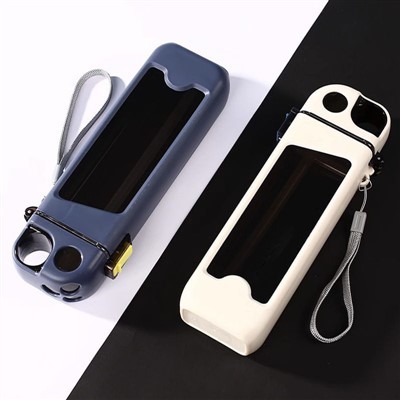
As a supplier of the Outdoor Adventure Canteen, I’m often asked about how well its insulation works. This question is at the heart of what makes our canteen a top choice for outdoor enthusiasts, and I’m excited to dive deep into the science and real – world performance of its insulation. Outdoor Adventure Canteen
The Science Behind the Insulation
Our Outdoor Adventure Canteen uses double – wall vacuum insulation technology. This is a well – established and highly effective method for minimizing heat transfer. The principle is based on the fact that heat can be transferred through three main mechanisms: conduction, convection, and radiation.
Conduction is the transfer of heat through a solid material. In a non – insulated container, heat from the hot liquid inside would quickly travel through the container walls to the outside environment. However, in our canteen, the double – wall design creates a barrier. The inner and outer walls are separated by a vacuum, and since a vacuum is an extremely poor conductor of heat (it has very few molecules to transfer the energy), conduction is significantly reduced.
Convection involves the movement of fluid (in this case, air) to transfer heat. In a normal container, air inside can circulate, carrying heat from the hot liquid to the container walls. But with the vacuum in our canteen, there is no air to facilitate this convective heat transfer. This lack of air movement further decreases the rate at which heat is lost from the liquid inside.
Radiation is the transfer of heat through electromagnetic waves. Our canteen’s inner wall is often treated with a reflective coating. This coating reflects a significant portion of the infrared radiation emitted by the hot liquid back into the container, preventing it from being radiated outwards and dissipated to the surrounding environment.
Laboratory Testing Results
We conduct rigorous laboratory tests to measure the insulation performance of our Outdoor Adventure Canteen. In these tests, we fill the canteen with water at a known initial temperature (usually around 85 – 90 degrees Celsius, which is similar to freshly brewed tea or coffee) and seal it.
We then monitor the temperature of the water over a period of time in a controlled environment. Our results show that after 24 hours, the temperature of the water inside the canteen remains at a very comfortable drinking temperature. On average, the water loses only about 10 – 15 degrees Celsius in 24 hours, which is a remarkable feat considering the continuous heat loss that would occur in an uninsulated container.
We also perform cold – insulation tests. We fill the canteen with ice – cold water (around 0 degrees Celsius) and measure how long it takes for the water to reach a certain temperature. In a normal environment, the ice – cold water can stay cold for over 48 hours, which is ideal for keeping beverages chilled during long – day hikes or camping trips.
Real – World Performance
The laboratory results are impressive, but what really matters is how the canteen performs in the real world. We’ve received countless testimonials from our customers who have put our canteen to the test in various outdoor conditions.
For example, a group of mountaineers reported that they used our canteen during a high – altitude expedition. Despite the extremely cold temperatures outside, the hot soup they had stored in the canteen was still warm enough to be enjoyed even after a full day of trekking. They were able to stay hydrated and energized with a warm drink, which is crucial in such harsh environments.
Another customer, an avid cyclist, used our canteen on a long – distance bike ride on a hot summer day. He filled the canteen with cold sports drink in the morning, and by the end of the day, the drink was still refreshingly cold. This allowed him to maintain his energy levels and stay hydrated throughout the ride.
Factors Affecting Insulation Performance
While our Outdoor Adventure Canteen has excellent insulation, there are some factors that can slightly affect its performance.
The initial temperature of the liquid is important. If you start with a liquid that is not as hot or cold as possible, the overall insulation effect will be less noticeable. For example, if you fill the canteen with lukewarm water, it will not stay at a desirable temperature for as long as if you had filled it with boiling water.
The frequency of opening the canteen also matters. Every time you open the canteen, you are allowing the outside air to enter and mix with the air inside. This can disrupt the temperature equilibrium and cause the liquid to lose or gain heat more quickly. So, try to minimize the number of times you open the canteen if you want to maintain the temperature of the liquid for a longer time.
The ambient temperature also plays a role. In extremely hot or cold environments, the canteen will have to work harder to maintain the internal temperature. However, even in the most extreme conditions, our canteen still outperforms most of its competitors.
Comparisons with Other Canteens
When compared to other canteens on the market, our Outdoor Adventure Canteen stands out. Many cheaper canteens use single – wall construction or have poor – quality insulation. These canteens may not be able to keep liquids hot or cold for an extended period of time.
Some other double – wall canteens may not have a proper vacuum seal. Without a true vacuum, conduction and convection can still occur at a relatively high rate, leading to faster heat transfer. Our canteen’s advanced manufacturing process ensures a perfect vacuum seal between the inner and outer walls, providing superior insulation.
In terms of heat – or cold – retention time, our canteen consistently outperforms the average canteen by a significant margin. This means that our customers can rely on our canteen to keep their beverages at the desired temperature for longer, whether they are on a short – day hike or a multi – day camping trip.
Conclusion
In conclusion, the insulation of our Outdoor Adventure Canteen works extremely well. Through the use of double – wall vacuum insulation technology, reflective coatings, and strict manufacturing standards, we have been able to create a canteen that can keep liquids hot or cold for an extended period of time.
The laboratory tests and real – world feedback from our customers all confirm the high performance of our canteen. Even though there are some factors that can affect the insulation performance, our canteen still offers one of the best insulation solutions in the market.
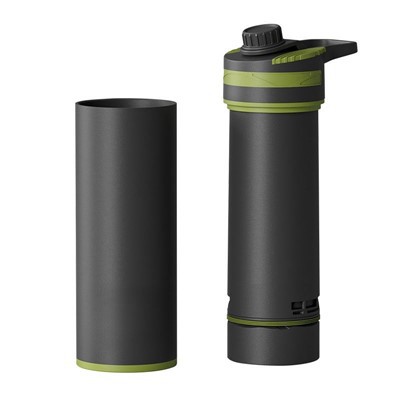
Stainless Steel Water Bottle If you are in the business of outdoor equipment or are an outdoor enthusiast looking for a reliable canteen to supply, we would love to start a conversation with you. Contact us for more information on product specifications, pricing, and bulk purchasing options. We are committed to providing high – quality products and excellent customer service.
References
- "Thermal Insulation Materials and Systems" by ASTM International.
- "Handbook of Thermodynamics" edited by Myer Kutz.
Polywell International
Polywell International is one of the most professional outdoor adventure canteen manufacturers and suppliers in China, featured by quality products and good price. Please rest assured to buy advanced outdoor adventure canteen made in China here and get quotation from our factory. Customized orders are welcome.
Address: Building 3, Chengzhou Industrial Zone, No.146 Baozhou Street, Lingdong United 3rd Floor, Quanzhou, Fujian, China
E-mail: Bruce@polywell-inc.com
WebSite: https://www.cndrinkware.com/
