Hey there! I’m a supplier of transit mixers, and I often get asked if these bad boys can be used in cold weather. Well, let’s dive right into it and figure this out. Transit Mixer
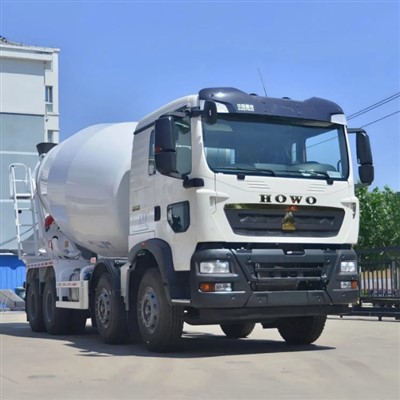
First off, let me tell you a bit about transit mixers. These are the big trucks you see on the road with that spinning drum on the back. They’re basically mobile concrete mixing stations. They’re designed to keep the concrete in a fluid state while it’s being transported from the batching plant to the construction site. But when the mercury drops, things can get a little tricky.
How Cold Weather Affects Concrete
Concrete is a pretty amazing material, but it doesn’t love the cold. When it’s cold outside, the chemical reactions that make concrete harden slow down. That’s because concrete hardens through a process called hydration, where water reacts with cement. Cold temperatures slow down this reaction, and if it gets cold enough, the water in the concrete can freeze. And we all know what happens when water freezes – it expands. This expansion can cause cracks in the concrete, which is a big no – no.
Now, let’s talk about how this affects our transit mixers. The main job of a transit mixer is to keep the concrete well – mixed and in a workable state. But in cold weather, the concrete can start to set prematurely inside the drum. If that happens, it’s not just a pain to clean out the drum; it can also ruin the quality of the concrete that’s being delivered to the site.
Can a Transit Mixer Still Work in Cold Weather?
The answer is yes, but with some precautions. We’ve done a lot of work to make our transit mixers adaptable to different weather conditions, including the cold.
One of the things we’ve implemented is insulation for the drums. Think of it like wrapping the drum in a big, warm blanket. This insulation helps to keep the heat inside the drum, so the concrete stays at a temperature where the hydration process can continue at a reasonable pace. Our insulation is top – notch, made from materials that are great at blocking the cold and retaining heat.
Another feature we’ve added is heating systems. Some of our transit mixers come with built – in heating elements for the drums. These heating elements can be adjusted to maintain a specific temperature inside the drum, no matter how cold it is outside. This ensures that the concrete doesn’t get too cold and start to freeze or set prematurely.
We also provide guidelines for our customers on how to use the transit mixers in cold weather. For example, we recommend increasing the mixing speed slightly. A faster – spinning drum helps to generate a little extra heat from the friction between the concrete and the drum walls. And it also keeps the concrete more evenly mixed, which is crucial in cold conditions.
Preparing the Transit Mixer for Cold Weather
Before the cold season hits, it’s important to do some maintenance on the transit mixer. Just like you’d get your car ready for winter, you need to get your transit mixer ready too.
Check the antifreeze levels in all the coolant systems. The engine, hydraulic system, and any other parts that use coolant need to have enough antifreeze to prevent the fluids from freezing. A frozen coolant system can cause all sorts of problems, like engine damage or hydraulic failures.
Inspect the drum for any signs of wear or damage. Cracks or holes in the drum can let in cold air, which can affect the temperature of the concrete. If you find any issues, make sure to get them fixed right away.
Also, make sure the seals around the drum are in good condition. Good seals prevent cold air from seeping into the drum and help to keep the heat in.
Working at the Construction Site in Cold Weather
When the transit mixer arrives at the construction site in cold weather, there are still some steps that need to be taken. The workers at the site should have a plan in place to pour and finish the concrete as quickly as possible. The longer the concrete is exposed to the cold, the more likely it is to have problems.
We also recommend using additives in the concrete. There are special additives that can be added to the concrete mixture that help to speed up the hydration process in cold weather. These additives can be used in conjunction with the features of our transit mixers to ensure that the concrete sets properly.
Real – World Experiences
I’ve had customers who’ve used our transit mixers in some pretty harsh winter conditions. One customer in a northern state was doing a big construction project during the middle of winter. They were a bit skeptical at first, but after using our transit mixer with all the cold – weather features, they were really impressed. The concrete was delivered in good condition, and the project was completed on time without any major issues related to the cold.
Another customer in a mountainous region had to deal with sudden drops in temperature. They were able to quickly adjust the heating system on the transit mixer to keep the concrete at the right temperature. This flexibility was really important for them, and it saved the day on more than one occasion.
Conclusion
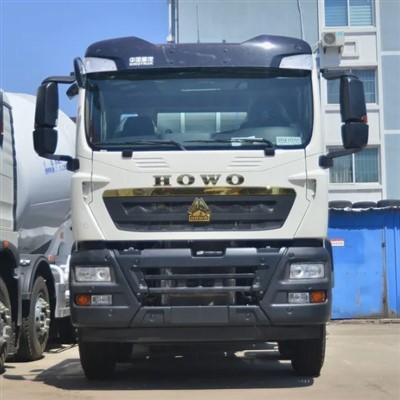
So, to answer the question, yes, a transit mixer can be used in cold weather. With the right features, like insulation and heating systems, and proper maintenance and precautions, you can use a transit mixer even when it’s freezing outside.
Concrete Mixer If you’re in the market for a transit mixer, especially one that can handle cold weather, we’re here to help. We’ve got a great range of transit mixers with all the latest features to ensure that you can get the job done, no matter the weather. Whether you’re working on a small residential project or a large commercial one, we’ve got the right transit mixer for you. Get in touch with us to discuss your needs and see how we can make your concrete – mixing and transportation a breeze, even in the coldest of conditions.
References
- ACI 306R-10, “Cold Weather Concreting,” American Concrete Institute.
- PCA Handbook of Concrete Technology, Portland Cement Association.
Shandong Fuxin Automobile Technology Co., Ltd.
We’re well-known as one of the leading transit mixer manufacturers and suppliers in China, featured by quality products and good price. Please rest assured to buy advanced transit mixer made in China here from our factory. Contact us for more details.
Address: West of Nanshou Road, Beihai Road, Weifang City, Shandong Province
E-mail: h17616861003@gmail.com
WebSite: https://www.fuxinautomobile.com/
