Hey folks, if you’re a building owner, property manager, or even a contractor looking to upgrade or service your fire sprinkler system, you know how big a deal picking the right sprinkler contractor is. Mess this up, and you’re not just wasting cash—you’re putting lives and your property at risk. As someone who’s been in the fire sprinkler supply game for years, I’ve seen way too many folks jump at the cheapest quote first, only to regret it down the line. Today, I’m breaking down exactly how to cut through the noise and find a contractor you can actually trust. Fire Sprinkler System
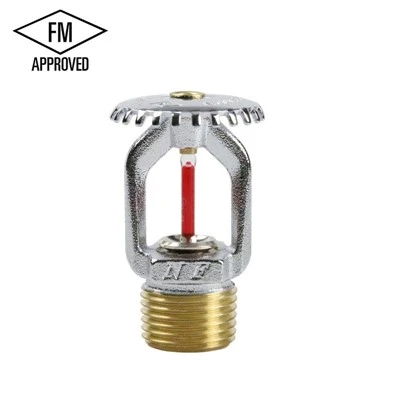
First off, let’s get one thing straight: fire sprinkler work isn’t the kind of job you can just hire any handyman for. It’s not like patching a drywall hole. Sprinkler systems are regulated by strict local, state, and national codes—NFPA 13 is the big one here, if you didn’t know. A reliable contractor won’t just wing it; they’ll know those codes inside and out, and follow them to the letter. How do you check that? Easy—ask for their licenses and certifications. I’m talking about state contractor licenses specifically for fire protection, and any third-party certs like NICET (National Institute for Certification in Engineering Technologies). NICET is a big one because it means their techs have passed rigorous tests on design, installation, and maintenance. If a contractor can’t pull up their license or won’t show you their NICET numbers? Bounce.
Next up, proof of insurance. This is non-negotiable. Imagine a contractor shows up to your job, drops a ladder on your roof, and doesn’t have liability insurance. You’re on the hook for the damage, not them. Always ask for a copy of their general liability insurance (minimum $1 million, no exceptions) and workers’ comp. If they skip out on workers’ comp, and one of their guys gets hurt on your property, you could get sued. Don’t be the person who finds this out the hard way. I’ve had clients tell me horror stories about contractors who skipped insurance, so trust me on this one.
Then, check their track record. How? Google reviews are a start, but don’t stop there. Ask the contractor for references from recent jobs—preferably ones that are similar to yours. If you’re a restaurant looking for a kitchen sprinkler upgrade, ask for references from other restaurant owners. If you’re a warehouse needing a full system installation, ask other warehouse managers. A good contractor will have no problem giving you 2-3 references. Call those people! Ask them: Did the job get done on time? Was there any surprise costs? Did the contractor clean up after themselves? And most importantly, did the system work when it was inspected? I can’t tell you how many times I’ve heard a reference say, “My guy was late every day and went way over budget” — that’s the kind of red flag you need to spot early.
Another big one: experience with your specific type of property. Not all fire sprinkler contractors work on the same stuff. Some specialize in residential homes, some in commercial offices, some in industrial warehouses, and some in high-risk places like hospitals or manufacturing plants. If you hire a residential-only contractor to work on a 10-story office building, they might not know the unique codes and requirements for that space. For example, hospital sprinkler systems have extra needs because of patients who can’t evacuate on their own. A warehouse with high ceilings needs sprinkler heads rated for taller spaces. If a contractor doesn’t have a portfolio of jobs like yours, keep looking.
Wait, what about pricing? Yeah, we all want a good deal, but the lowest bid is almost always a bad deal. Here’s why: some contractors will lowball you to get the job, then cut corners later. They might use cheap, unrated parts, skip code steps, or rush the job and miss mistakes. Those mistakes can lead to system failures during a fire, which is way more dangerous. Or they’ll hit you with a bunch of change orders halfway through, making the final cost way higher than the original quote. A reliable contractor will give you a detailed, line-item quote. It should list every part, every labor cost, and any permits needed. If a quote is vague or way lower than all the others, that’s a red flag. My team and I see this all the time—clients come to us because their cheap contractor messed up the system, and now they have to pay twice to fix it. Don’t make that mistake.
Also, ask about their maintenance services. A fire sprinkler system isn’t a “set it and forget it” thing. It needs regular inspections, testing, and maintenance to keep working right. The National Fire Protection Association requires quarterly, semi-annual, and annual checks depending on the system. A good contractor won’t just install your system and dip—they’ll offer ongoing maintenance. They should be able to tell you exactly what kind of checks your system needs, and how often. If a contractor acts like maintenance isn’t their job, or tries to charge you a fortune for it, that’s a sign they’re not in it for the long haul. At my company, we supply parts and work with contractors who offer transparent maintenance plans because we know how important that upkeep is.
Another thing: do they have a good relationship with local inspectors? Local building inspectors are the ones who sign off on your system after installation, right? If a contractor knows the inspectors and has a good track record with them, that usually means they follow the rules. If they’ve had multiple inspections fail for code violations, that’s a problem. A reliable contractor will work with inspectors to make sure every step is up to code before the final check. If they try to pressure you into cutting corners to pass inspection, walk away. That’s just asking for trouble.
Oh, and don’t forget about warranty. Any good fire sprinkler installation should come with a warranty on parts and labor. How long? Usually 1-2 years for labor, and longer for parts. Ask the contractor what their warranty covers, and get it in writing. If they offer no warranty, or a super short one, that means they’re not confident in their work. We stand behind the parts we supply, and the contractors we partner with offer solid warranties because they know their work will last.
Wait, let’s talk about avoiding scams, too. There are a lot of fly-by-night sprinkler contractors out there who show up at your door unannounced, maybe after a nearby fire, offering to do your system for a “steal” price. They might say they have leftover materials from another job, but really, they’re using cheap parts or doing shoddy work. Once they’re done, they might disappear, and you’ll have no way to reach them if something goes wrong. Never hire a contractor that shows up out of the blue. Legitimate contractors don’t do that—they build their business on referrals and good reviews.
Let me give you a quick example. Last year, a small café owner came to us because they hired a random contractor to install a kitchen sprinkler system. The contractor used the wrong type of sprinkler head for the grease in their kitchen, and a few months later, when they tested the system, the head didn’t work. They had to pay $8,000 to fix it, on top of the $5,000 they already paid the original contractor. That’s the kind of mistake we want you to avoid.
So let’s sum this up, step by step: 1. Check licenses and NICET certifications. 2. Verify insurance (liability and workers’ comp). 3. Ask for references and call them. 4. Make sure they have experience with your property type. 5. Avoid the lowest bid. 6. Ask about ongoing maintenance. 7. Check their relationship with local inspectors. 8. Get a written warranty.
Now, if you’re a building owner or manager who needs a fire sprinkler system installed, upgraded, or serviced, we work with trusted, vetted contractors who check all these boxes. We’ve been supplying fire sprinkler parts for over a decade, and we know exactly which contractors do quality work. Whether you’re a small retail space, a big warehouse, or a medical facility, we can connect you with a reliable contractor who won’t cut corners. Don’t take the risk of hiring the wrong one—reach out to us today to get connected with a contractor that’ll keep your property and people safe.
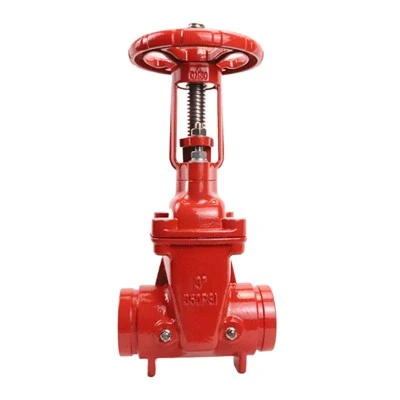
Grooved Gate Valve References
National Fire Protection Association. NFPA 13: Standard for the Installation of Sprinkler Systems.
National Institute for Certification in Engineering Technologies. NICET Certification for Fire Protection Technicians.
Occupational Safety and Health Administration. Workers’ Compensation Requirements for Construction Workers.
U.S. Fire Administration. Fire Sprinkler System Maintenance Guidelines for Commercial Properties.
Nonfir Automatic Sprinkler Co., Ltd.
As one of the most professional fire sprinkler system manufacturers and suppliers in China, we have world-leading production equipment and strong manufacturing capabilities. Please feel free to buy advanced fire sprinkler system at competitive price from our factory.
Address: No.8, Yuanfeng Road, Meiyuan Village, Kangmei Town, Nan’An City, Quanzhou City, Fujian Province, China
E-mail: info@nfsprinkler.com
WebSite: https://www.nonfirsprinklers.com/
