If you’ve ever walked through a PCB manufacturing floor, you’ve likely seen them: those sturdy, open metal frames holding rows of bare circuit boards, waiting to move from etching to soldering to inspection. As a PCB racks supplier, I get a lot of questions from new and long-time fabricators alike: “How long do these racks actually last?” It’s a fair question—these aren’t just passive holders. PCB racks endure extreme conditions daily: harsh chemical baths, repeated thermal cycling from soldering ovens, constant handling by factory staff, and exposure to dust and moisture in busy workspaces. Underestimating their lifespan can lead to unexpected downtime, damaged batches of PCBs, and unnecessary replacement costs. Overestimating means wasting money on premium racks that outlast your actual manufacturing needs. After 12 years in this space, working alongside fabricators from small job shops to large-scale OEM facilities, I can tell you the answer isn’t one-size-fits-all, but it’s rooted in material, usage, and maintenance. PCB Racks

Let’s start with the biggest factor: what the rack is made of. Not all PCB racks are created equal, and material is the foundation of their longevity. The most common types you’ll find on manufacturing floors are stainless steel, polypropylene (PP) plastic, and carbon steel (often coated with epoxy or nickel for corrosion resistance). Each has a distinct lifespan. Take stainless steel first—304-grade is the gold standard for most routine manufacturing because it resists rust and stands up to mild chemicals. A well-made 304 stainless steel PCB rack, used in standard etching and cleaning processes, can easily last 10 to 15 years. I’ve had customers send back racks they’ve had for 18 years that still hold PCBs securely, with no visible warping or pitting. That said, 316-grade stainless steel is even more durable, designed for facilities that use highly corrosive chemicals (like acid copper plating or alkaline cleaners). 316-grade racks can last 15 to 20 years, because their extra chromium and molybdenum content prevents corrosion even when exposed to harsh, high-concentration solutions. They cost a bit more upfront, but for high-volume plating operations, the longer lifespan often makes them worth the investment.
Then there’s polypropylene plastic racks, which are popular for smaller jobs or processes where weight is a concern. PP is cheap, lightweight, and resistant to many mild chemicals, but it has a critical downside: it melts at high temperatures. If you use a plastic rack in a reflow oven (which hits 260°C/500°F) or even near hot soldering stations, it will warp or deform within a year or two. Even in regular use, PP can degrade over time from constant exposure to UV light (if stored near factory windows) or repeated thermal cycling, so most plastic racks last 3 to 7 years. Carbon steel racks, the budget option, are coated to prevent rust, but that coating can chip or peel over time when racks are dragged or banged around on the factory floor. Once the coating fails, the steel rusts quickly, so uncoated carbon steel racks usually only last 1 to 3 years, even with mild use. I always advise customers to skip uncoated carbon steel—while the upfront cost is low, you’ll end up replacing them so often that you’ll spend more in the long run than investing in stainless steel or high-quality plastic.
But material is only half the story. How you use and maintain your PCB racks will make or break their lifespan. Even a premium 316 stainless steel rack will fail prematurely if you treat it like a disposable tool. The biggest enemy of PCB racks is abuse on the manufacturing floor. Racks are designed to hold a specific number of PCBs, sized to fit standard panel dimensions (like 18×24 inches, a common size for fabricators). If you cram extra PCBs into a rack to save space, you’ll bend the frame, warp the slots that hold boards, or crack the plastic spacers that prevent boards from touching each other. I’ve seen this happen all the time— a shop foreman trying to cut a few minutes off a production run shoves 2 extra panels into a rack, and by the end of the week, that rack is misaligned, dropping PCBs during transfers, and ruining a batch of gold-plated boards. That kind of overloading cuts a rack’s lifespan by 50% or more.
Another common mistake is improper cleaning. After each manufacturing run, racks get covered in solder residue, chemical film, and dust. If you don’t clean them regularly, that residue can build up and etch into the metal or plastic, causing permanent damage. For stainless steel racks, leftover alkaline or acidic chemicals can cause corrosion over time, even if the steel is corrosion-resistant. For plastic racks, residue can make the slots sticky, causing boards to jam or bend when being removed. I recommend a quick rinse with deionized water after each use, plus a deep clean with a mild, non-abrasive solvent every 3 months. For facilities that work with highly corrosive chemicals, cleaning after every single use is non-negotiable—we once had a customer in California who skipped this step, and their 304 racks started pitting after just 2 years, a problem that would have taken 10 years to develop with regular cleaning.
Storage is another factor most fabricators overlook. When racks aren’t in use, they should be stored upright, in a dry, climate-controlled area, stacked no more than 3 high. If you stack racks too high, the bottom ones will sag under the weight, bending the frame or warping the slots. Storing racks on the floor near production areas exposes them to moisture, dust, and accidental drops from forklifts or carts. Last year, I helped a customer move their storage area and stacked their stainless steel racks 5 high for 6 months—when we started using them again, 12 out of 50 racks were warped beyond repair. Proper storage adds at least 2 to 3 years to a rack’s lifespan, versus storing them haphazardly on a factory floor.
What about signs that a rack is reaching the end of its life? You don’t have to wait for a rack to break to replace it—catching early warning signs can save you from costly PCB damage. The most obvious sign is warping: if you set a rack on a flat surface and it rocks from side to side, the frame is bent, and it will start dropping boards during transfers. Another is pitting or rust on metal racks: small orange spots on steel or black spots on stainless steel mean the material is corroding, and soon the entire frame will weaken. For plastic racks, look for cracked spacers or slots that are stretched out—if a board wiggles around in a slot instead of fitting snugly, it’s time to replace the rack. Even if the rack looks fine, if it’s over 10 years old (for stainless steel) or over 5 years old (for plastic), it’s a good idea to inspect it annually. I’ve had customers use racks that were 15 years old, but only if they passed all the inspection checks—pitting, warping, and slot tightness were all within spec.
Now, let’s tie this back to real-world examples. I worked with a mid-sized PCB fabricator in Texas that had been using cheap carbon steel racks for 4 years, replacing them every 18 months. They were spending $12,000 a year on replacements, plus an extra $8,000 a year on damaged PCBs when racks failed. We suggested switching to 304 stainless steel racks, and worked with their team to set up a cleaning and storage schedule. Those racks have now been in use for 9 years, and they’ve only had to replace 2 of them (due to a forklift accident, not normal wear and tear). Their annual replacement cost is now $2,000, and they’ve cut PCB damage from rack failure by 90%. Another customer, a small job shop in Michigan that only does prototype PCBs, uses PP plastic racks. They clean them regularly, store them properly, and replace them every 5 years, which works perfectly for their volume—they don’t need the extra durability of stainless steel, so the plastic racks are a cost-effective choice.
I also get asked a lot about “heavy-duty” racks—are they worth the extra cost? For high-volume plating facilities or OEMs that run 24/7, absolutely. Heavy-duty stainless steel racks have thicker frames and reinforced slots, designed to hold more PCBs and withstand more abuse. For these shops, heavy-duty racks can last 18 to 25 years, versus 10 to 15 for standard racks. For small shops with low volume, standard racks are more than enough, and the extra cost of heavy-duty would be a waste of money.
At the end of the day, the lifespan of a PCB rack isn’t a fixed number—it’s a balance of material choice, how you use it, and how you maintain it. I’ve seen racks last 20 years, and I’ve seen racks fail in 6 months from rough handling. The key is to match the rack to your manufacturing needs, not pick the cheapest option or the most expensive option. If you run a high-volume plating operation, invest in 316 stainless steel and a strict cleaning routine. If you’re a prototype shop doing small runs, polypropylene racks will serve you well for years with minimal maintenance.
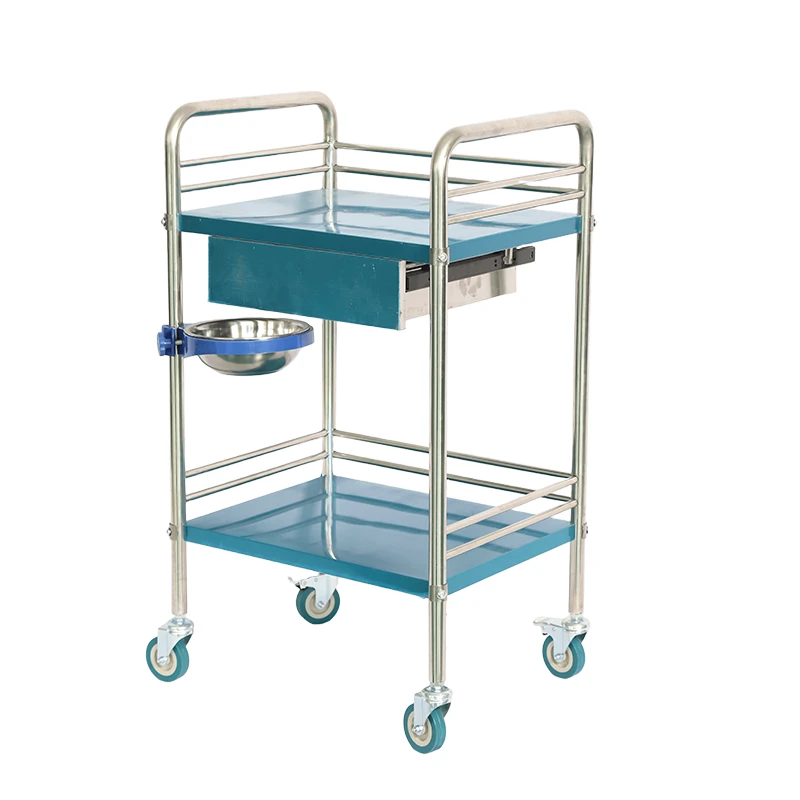
If you’re currently replacing racks every year or two, or if you’re unsure if your current racks are lasting as long as they should, I’m here to help. As a PCB racks supplier, I don’t just sell racks—I work with customers to find the right solution for their specific processes, volume, and budget. Whether you need a quote for standard racks, heavy-duty racks, or customized sizes for your unique panel dimensions, we can discuss your needs and go over maintenance tips to help your racks last as long as possible. Stop guessing about your rack lifespan and start making informed choices that save you money and reduce downtime. Reach out today to chat, and let’s find the perfect PCB racks for your operation.
Standard Parts Processing References
- Printed Circuit Fabrication Processes: A Guide to Manufacturing and Testing, IPC Association of Electronics Industries, 2019
- Material Science for Corrosion Resistance in Industrial Equipment, National Institute of Standards and Technology (NIST), 2021
- PCB Manufacturing Facility Safety and Equipment Maintenance Manual, International Electronics Manufacturing Initiative (iNEMI), 2020
Shenzhen Gladiator Technology Co., Ltd.
As one of the most professional pcb racks manufacturers and suppliers in China, we’re featured by quality products and low price. Please rest assured to buy discount pcb racks in stock here from our factory. We also accept customized orders.
Address: Room 201, Building 1, No.3 Yangkeng Road, Shanxia Community, Pinghu Street, Longgang District, Shenzhen
E-mail: gladiator@fu-en.com
WebSite: https://www.eastgladiator.com/
