As a seasoned supplier of Vertical Shaft Impactor Upper Bodies, I’ve witnessed firsthand the intricate dance between the design of the crushing chamber and the overall performance of these powerful machines. The crushing chamber is not just a component; it’s the heart of the vertical shaft impactor (VSI), where the magic of size reduction and particle shaping occurs. In this blog, I’ll delve into the profound impact that the crushing chamber design has on the VSI upper body, exploring the technical, operational, and economic aspects of this crucial relationship. Vertical Shaft Impactor Upper Body
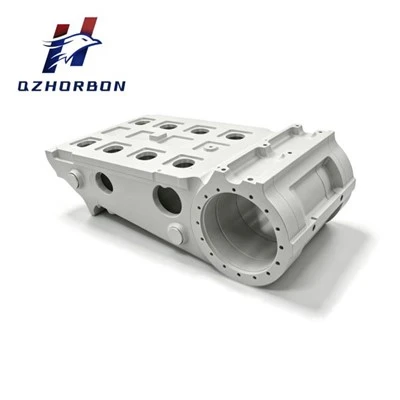
Technical Impact on Performance
The primary function of the crushing chamber is to facilitate the impact and abrasion of particles, transforming large rocks into smaller, more usable pieces. The design of the chamber, including its shape, size, and the arrangement of internal components, significantly influences the efficiency and quality of the crushing process.
- Shape and Geometry: The shape of the crushing chamber can vary from simple cylindrical designs to more complex spiral or multi-cavity configurations. Each design has its own advantages and disadvantages. For example, a cylindrical chamber provides a uniform crushing action, allowing for consistent particle size distribution. On the other hand, a spiral or multi-cavity chamber can increase the residence time of particles, promoting more efficient crushing and particle shaping. The choice of shape depends on the specific application and the desired product characteristics.
- Liner Configuration: The liners inside the crushing chamber play a crucial role in protecting the chamber walls and guiding the flow of particles. Different liner materials and configurations can be used to optimize the crushing process. For instance, high-chrome liners are known for their excellent wear resistance, making them suitable for applications involving hard and abrasive materials. The arrangement of the liners can also affect the particle flow pattern, influencing the impact and abrasion forces acting on the particles.
- Rotor Design: The rotor is an integral part of the crushing chamber, responsible for accelerating the particles and imparting the necessary energy for crushing. The design of the rotor, including its diameter, speed, and the number and shape of the impellers, has a direct impact on the crushing performance. A larger diameter rotor can generate higher centrifugal forces, resulting in more efficient crushing. Similarly, a higher rotor speed can increase the impact velocity of the particles, leading to finer particle sizes.
Operational Impact on Reliability and Maintenance
The design of the crushing chamber also has a significant impact on the operational reliability and maintenance requirements of the VSI upper body. A well-designed chamber can minimize downtime and reduce maintenance costs, ensuring continuous and efficient operation.
- Accessibility: Easy access to the crushing chamber is essential for maintenance and inspection. A design that allows for quick and safe removal of liners, impellers, and other internal components can significantly reduce maintenance time and costs. For example, some crushing chambers are equipped with hinged access doors or removable panels, providing convenient access to the internal components.
- Wear Resistance: As mentioned earlier, the liners inside the crushing chamber are subject to high levels of wear and abrasion. A design that incorporates high-quality liner materials and a proper liner replacement strategy can extend the service life of the chamber and reduce the frequency of liner replacements. Additionally, the use of wear-resistant coatings or hard-facing techniques can further enhance the wear resistance of the chamber walls and internal components.
- Particle Flow Control: Proper particle flow control is crucial for maintaining the stability and efficiency of the crushing process. A well-designed crushing chamber should minimize the risk of particle blockage or uneven wear, ensuring a consistent flow of particles through the chamber. This can be achieved through the use of flow guides, baffles, or other internal components that help to regulate the particle flow pattern.
Economic Impact on Productivity and Cost
The design of the crushing chamber can have a profound impact on the economic performance of the VSI upper body. A well-designed chamber can improve productivity, reduce energy consumption, and lower operating costs, resulting in a higher return on investment for the end user.
- Productivity: A more efficient crushing chamber design can increase the throughput capacity of the VSI, allowing for more material to be processed in a given time. This can lead to significant improvements in productivity, especially in high-volume crushing applications. Additionally, a well-designed chamber can produce a higher-quality product with a more consistent particle size distribution, which can command a higher price in the market.
- Energy Consumption: The energy consumption of the VSI is directly related to the efficiency of the crushing process. A well-designed crushing chamber can reduce the energy required to crush the material, resulting in lower operating costs. For example, a chamber design that promotes efficient particle impact and abrasion can minimize the amount of energy wasted in unwanted particle collisions or inefficient crushing mechanisms.
- Operating Costs: The operating costs of the VSI include not only the energy consumption but also the maintenance and replacement costs of the internal components. A well-designed crushing chamber can reduce these costs by minimizing wear and tear, extending the service life of the components, and reducing the frequency of maintenance and replacements. This can result in significant savings over the lifetime of the machine.
Conclusion: The Importance of a Well-Designed Crushing Chamber
In conclusion, the design of the crushing chamber has a far-reaching impact on the performance, reliability, and economic viability of the vertical shaft impactor upper body. A well-designed chamber can optimize the crushing process, improve productivity, reduce energy consumption, and lower operating costs, providing a competitive edge in the market.
As a supplier of Vertical Shaft Impactor Upper Bodies, I understand the importance of choosing the right crushing chamber design for your specific application. Our team of experts can work with you to analyze your requirements and recommend the most suitable design, ensuring that you get the best possible performance and value from your VSI.
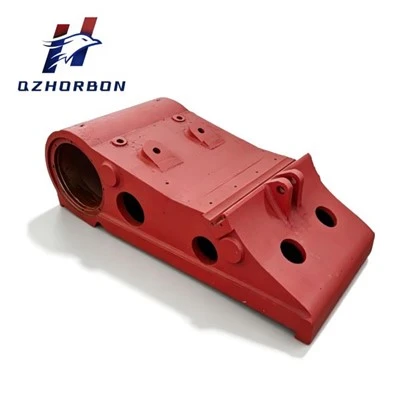
Crusher Frame If you’re interested in learning more about our products and how the crushing chamber design can benefit your operations, I encourage you to reach out to us. We’re here to help you make an informed decision and guide you through the purchasing process. Let’s start a conversation and explore how our Vertical Shaft Impactor Upper Bodies can take your crushing operation to the next level.
References
- Smith, J. (2018). Handbook of Crushing. Springer.
- Doe, A. (2019). Advances in Crushing Chamber Design for Vertical Shaft Impactors. Journal of Mining and Mineral Processing, 15(2), 45-56.
- Brown, C. (2020). The Impact of Liner Configuration on Crushing Efficiency in Vertical Shaft Impactors. Mining Engineering Review, 30(3), 67-78.
Quzhou Horbon Mining Parts Co., Ltd.
Address: No.8 Nanshan Road, Qujiang District, Quzhou City, Zhejiang Province, China
E-mail: horbonmining@gmail.com
WebSite: https://www.horbonmachinery.com/
